Children’s Development of Difference™
In today’s society, children receive daily messages about skin color, race, ethnicity, culture, religion, ability, gender and many other categories of social identities.
In today’s society, children receive daily messages about skin color, race, ethnicity, culture, religion, ability, gender and many other categories of social identities.
Conversations across lines of social identity differences can trigger worries that negatively impact the exchange. When people who experience marginalization and people with dominant social identities feel the potential for being misunderstood, there is an increase in emotions and avoidance of topics.
Everyone comes to DEIBJ work from a different place – informed by their lived experiences, education, prior engagement in DEIBJ work, and other factors such as disposition and ways of seeing and being. 1:1 attention will offer a space for processing new strands of knowledge and how best to apply the knowledge in their work with others.
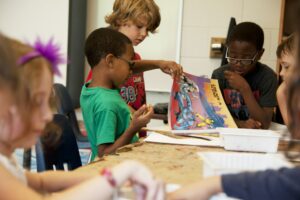
We will collaboratively create a workshop about belonging, diversity, equity and inclusion that addresses the specific needs of your organization.

In a time of war and increasing polarization, many organizations are straining from internal conflict, damaged relationships, and outside pressures.
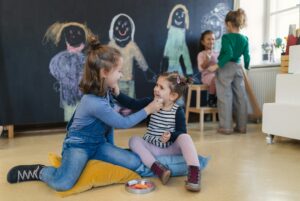
What does it mean to be an inclusive community? At the end of this session, you will have a deeper understanding of what it means to be an inclusive community and you will walk away with tools to increase inclusion at your site.