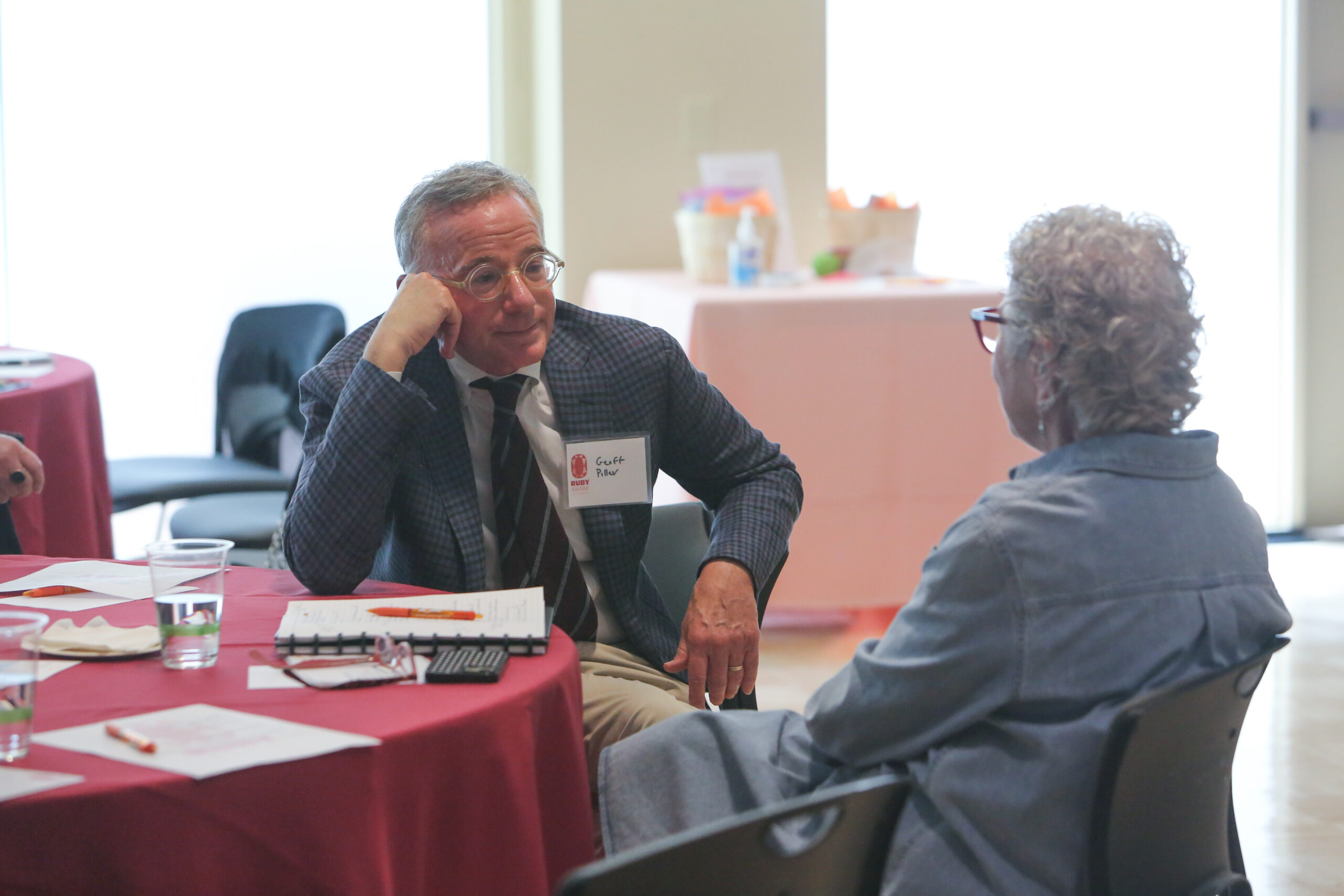

By Alisha Pedowitz, Senior Educator, Jewish LearningWorks
For those of us who work with and/or parent teens, this phase of life can often feel like a whole new frontier full of wild unknowns, particularly in this moment in time where the world around us — and the things our teens are navigating — are quickly changing and feel completely unchartered.
Given this, it’s completely appropriate that our day started and ended with text studies of Exodus, of the Israelites’ journey through the wilderness, and of Moses’ role as their guide, figuring it out as he went. And, sandwiched between those, a look at the neuroscience that shows us exactly why that journey is so critical not only for adolescents themselves, but for humanity.
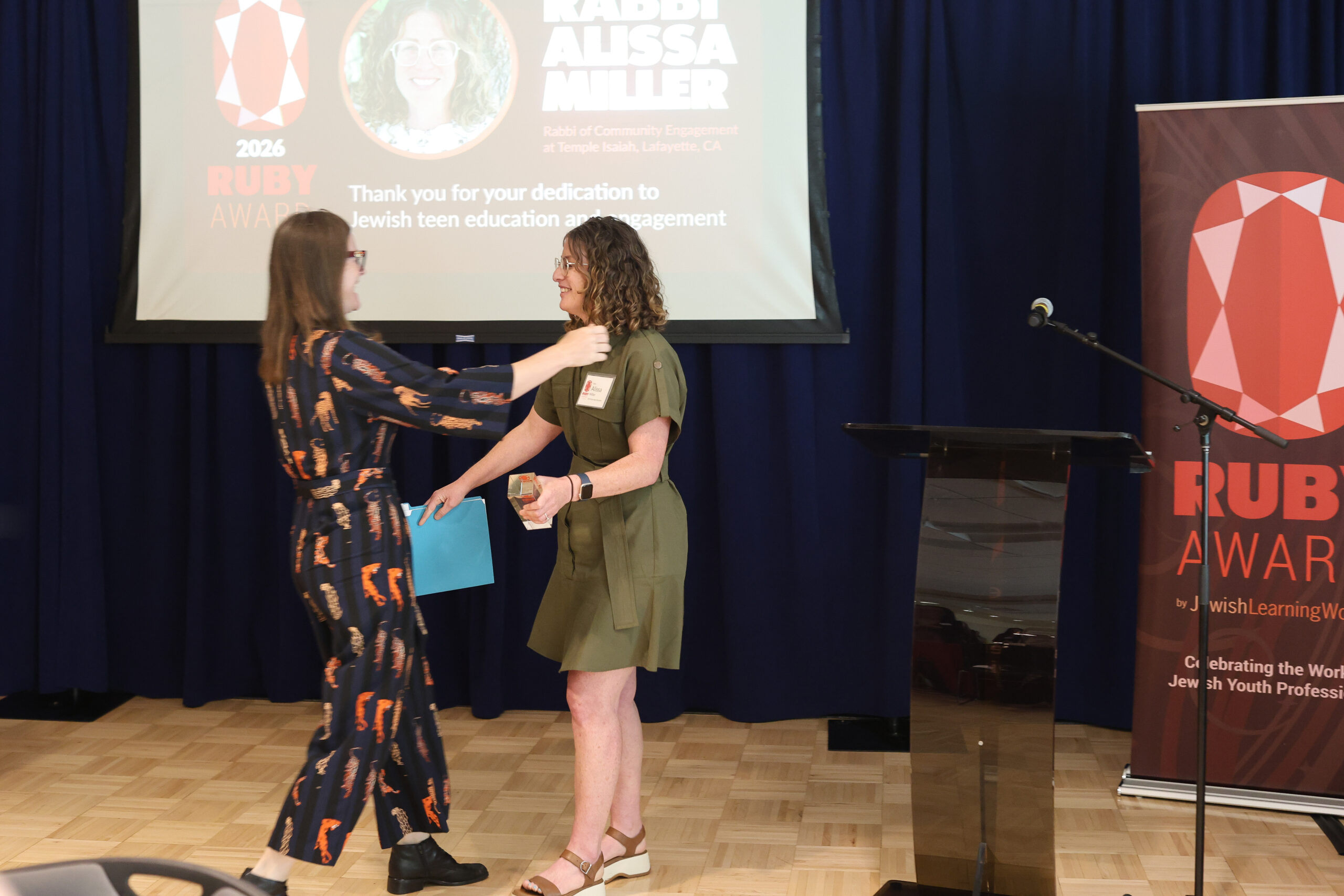
The chance to celebrate and elevate the importance of Jewish adolescent education — and the educators who engage in this critical endeavor — is one of my favorite things about my job at Jewish LearningWorks. Every two years, we gather for The Ruby Award (named for Rob Ruby z”l, a passionate supporter of teen education), where an educator, chosen by the community, is honored for their work. And, we engage in learning with experts on important and timely issues that relate to adolescent education.
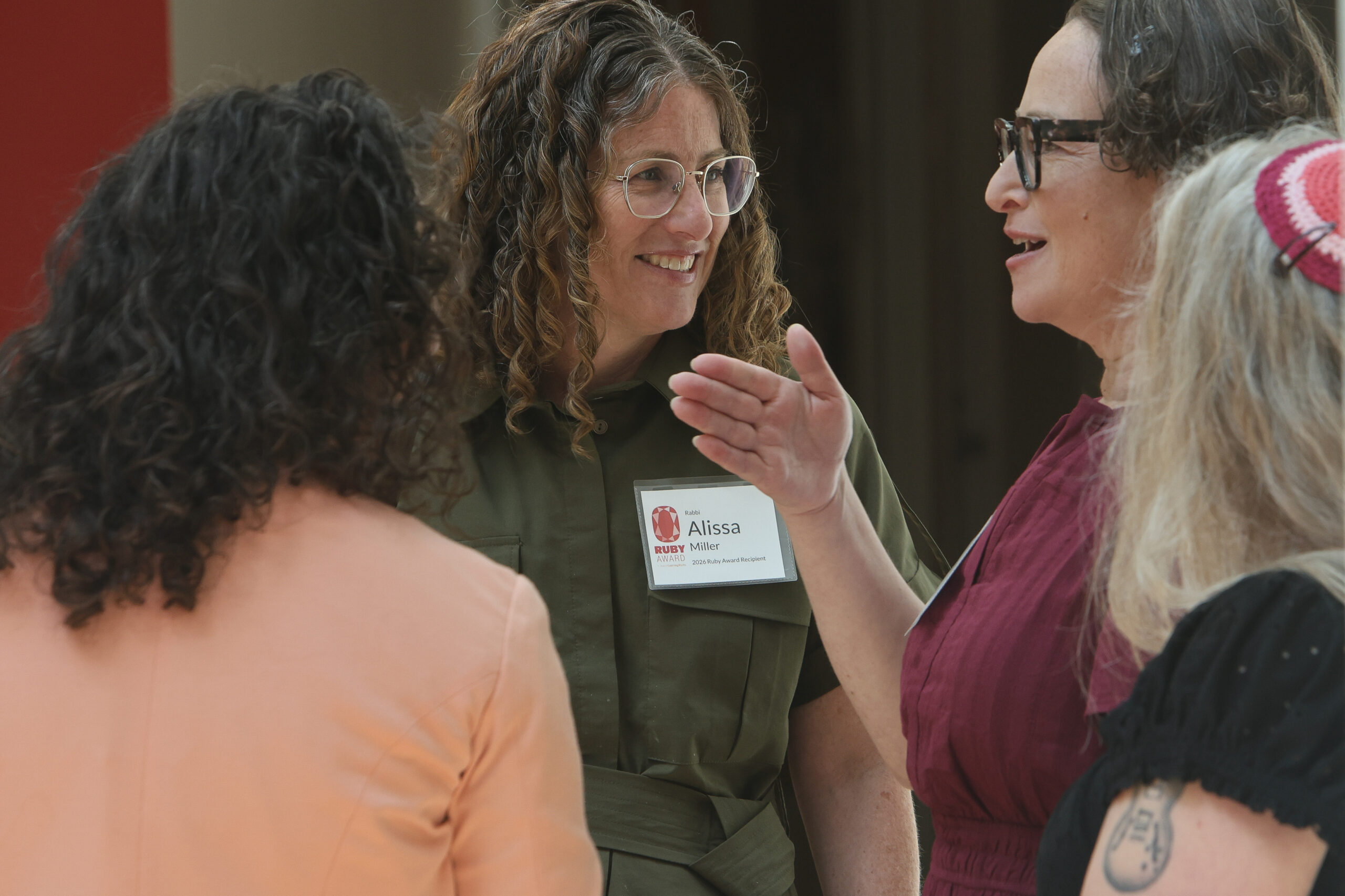
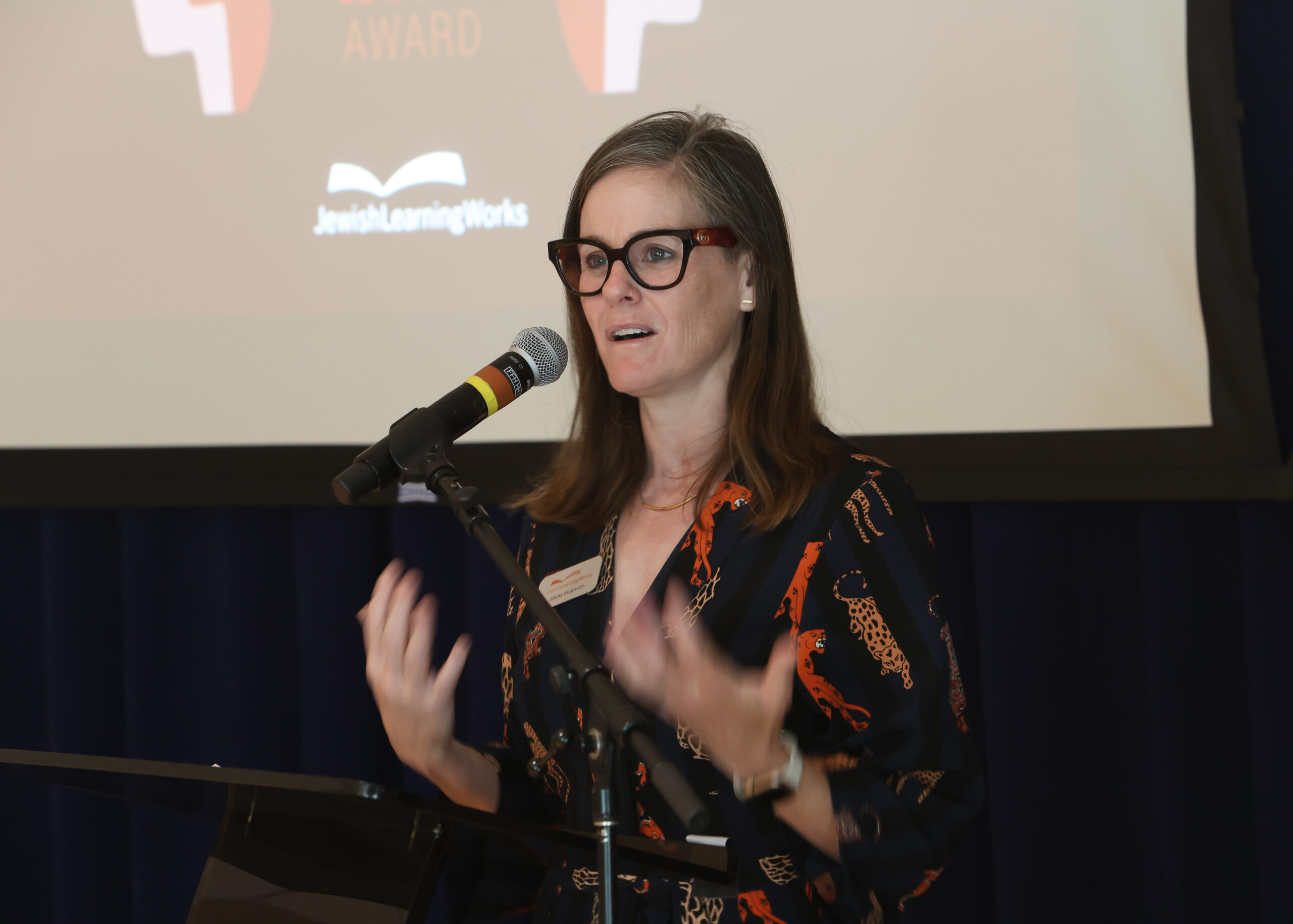
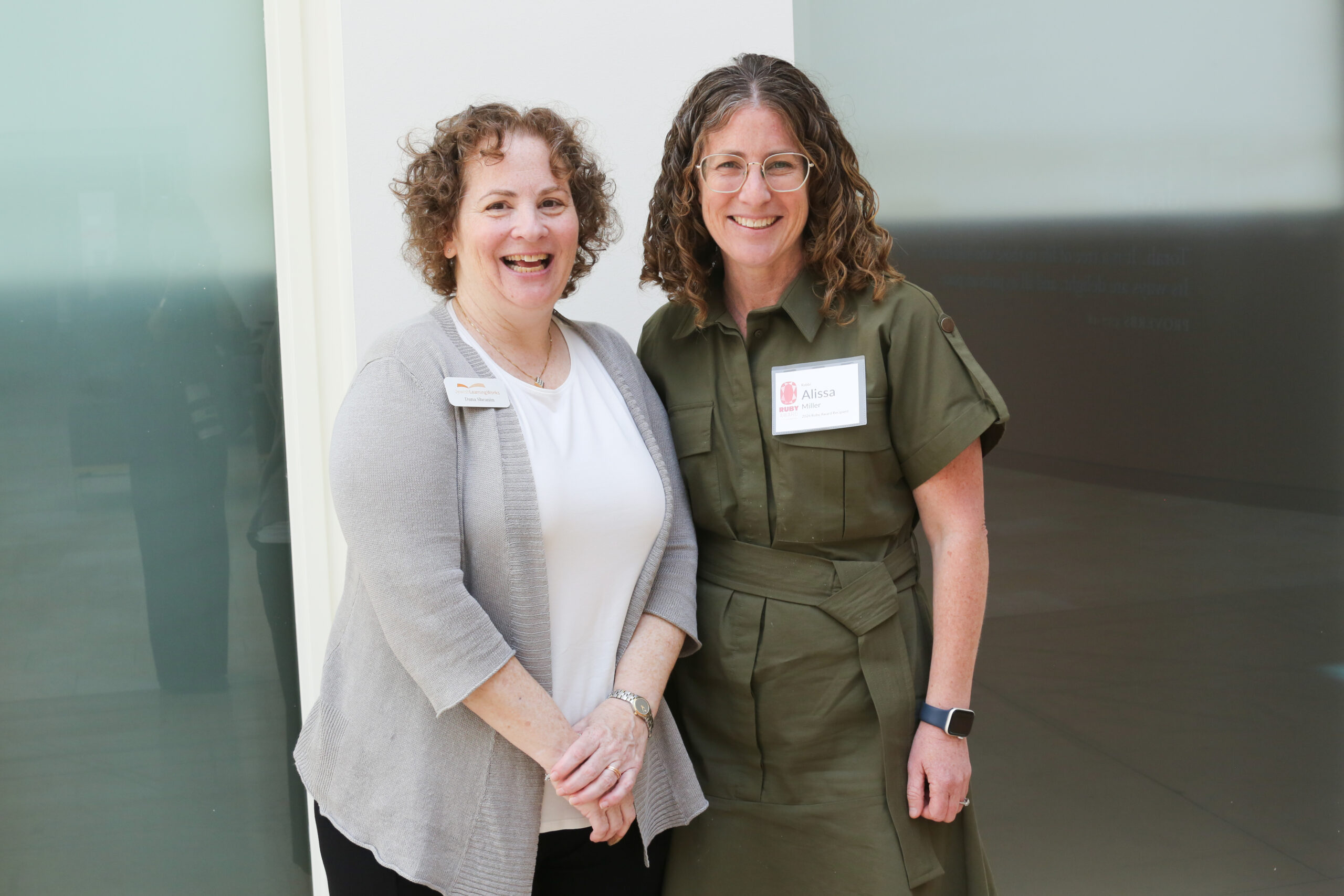
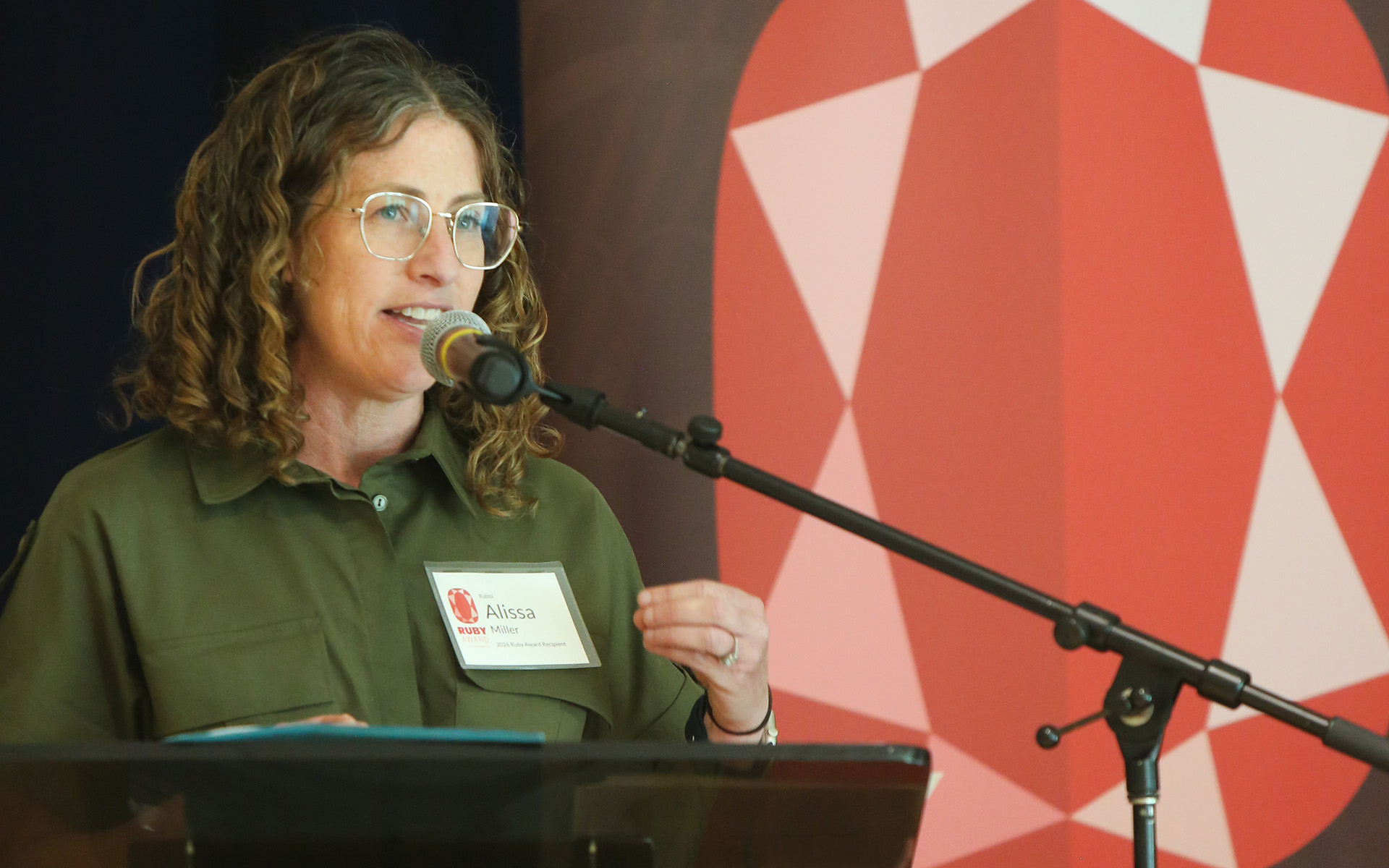
This year, it was our great honor to celebrate Rabbi Alissa Miller (affectionately known as “RAM” to her teens) of Temple Isaiah of Lafayette, and then learn with Pulitzer Prize winning NYT journalist and author, Matt Richtel, from his book “How We Grow Up: Understanding Adolescence.”
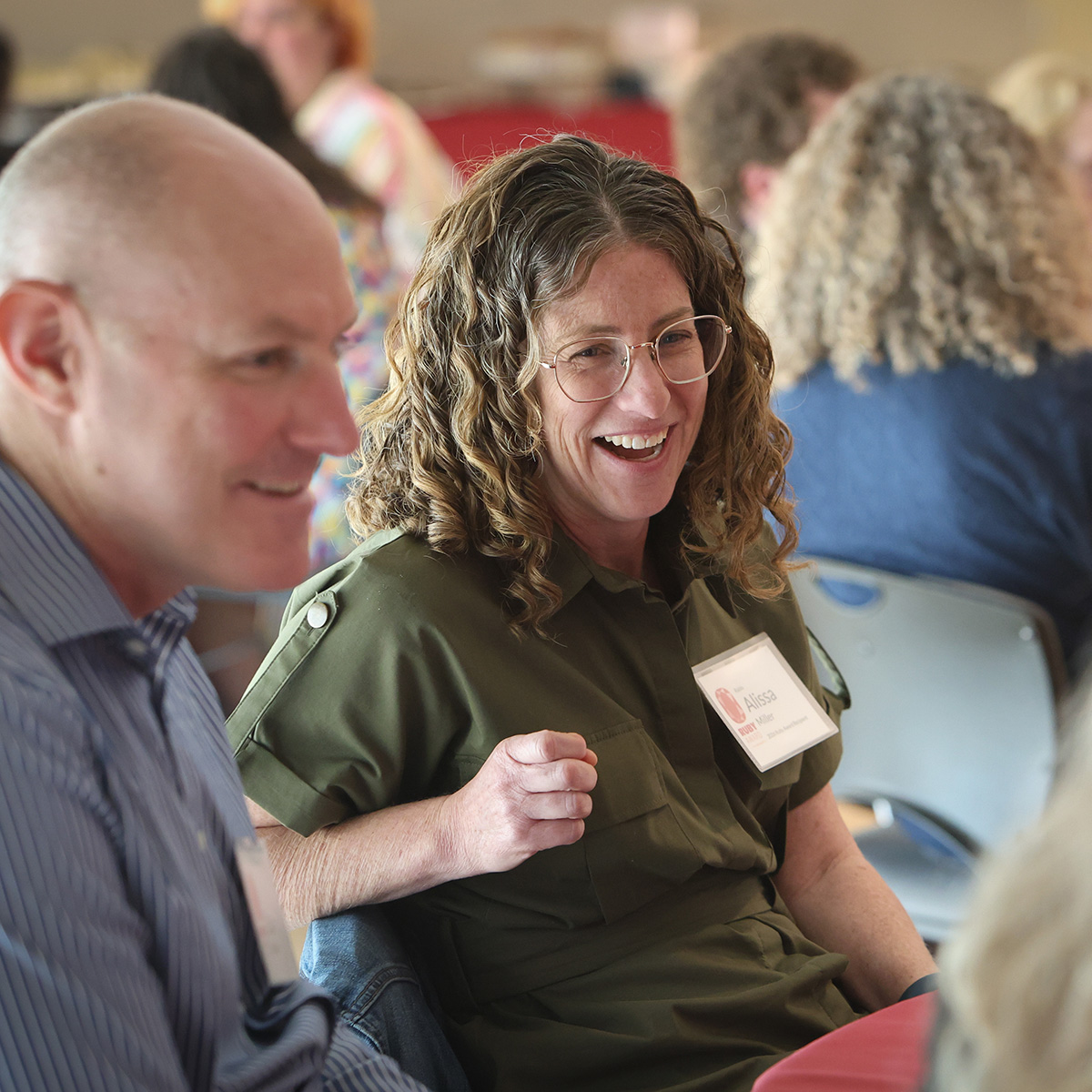
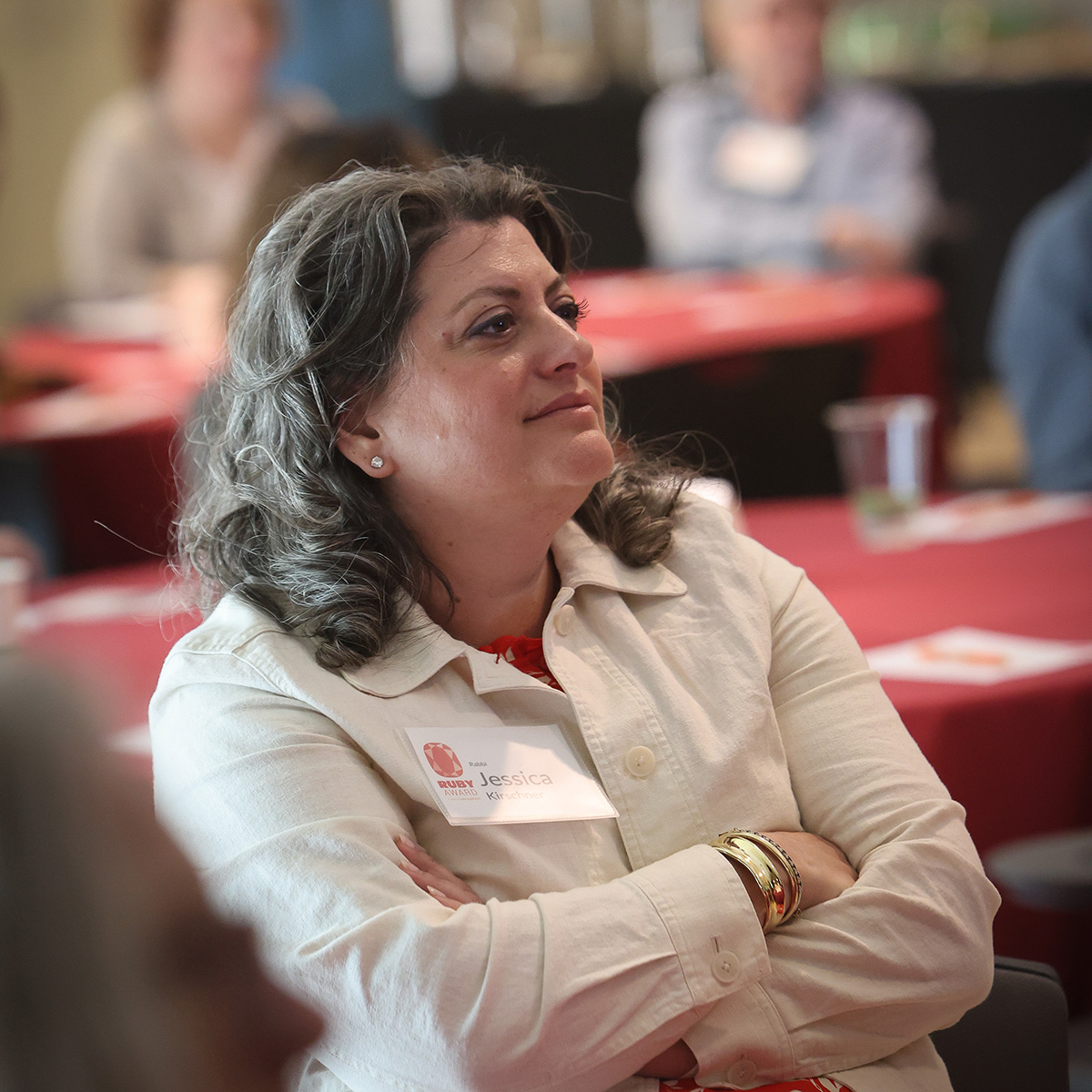
RAM and so many of the educators doing this work recognize that being present with teens in that moment, helping them find pause and stillness, is perhaps the most essential role that we can play for them as they take deep breaths and big steps forward in that journey.
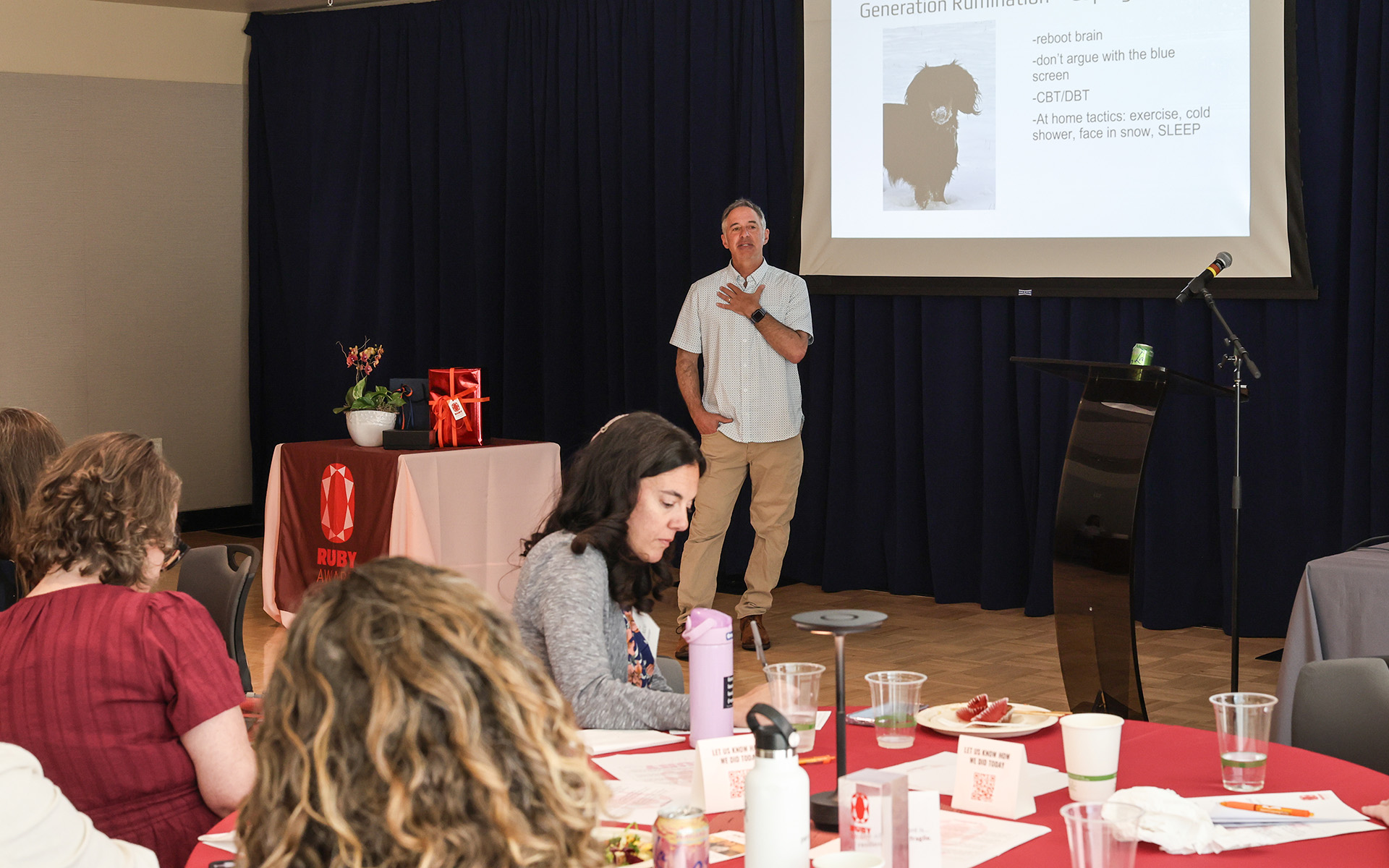
And, as Matt Richtel then shared with us — the most current research in adolescent science shows us that adolescence is a period of time marked by the integration of the known with the unknown, where they are primed to take risks in order to figure out the crucial questions of what works in navigating a world of quickly changing unknowns. Their survival, and ours, depends on them to be those pioneers, to learn to think creatively and flexibly, to be curious in that pursuit. And our still, secure presence as they do so, as Moses modelled, is indeed essential.
Finally, we closed together with this text study that allowed us to reflect on our shared responsibility in supporting teens, as well as on how Moses’ own journey, as he guided the Israelites, itself parallels adolescence.
While the wilderness of adolescence may feel like unchartered territory, it is a journey to be relished as we walk it with our teens because of where it leads. May we do so with both purpose and stillness!
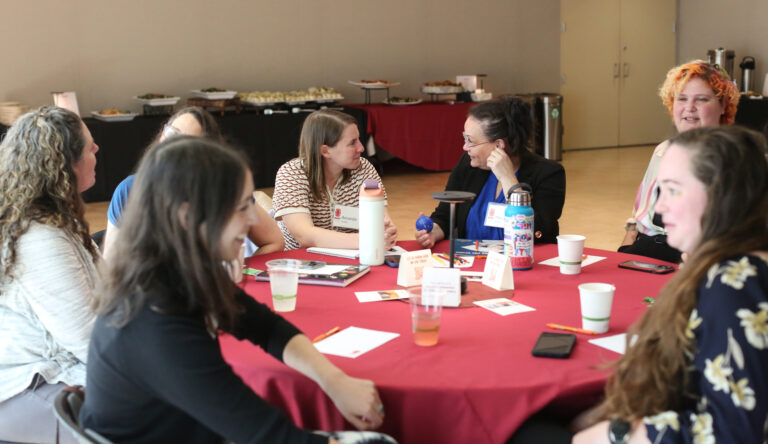
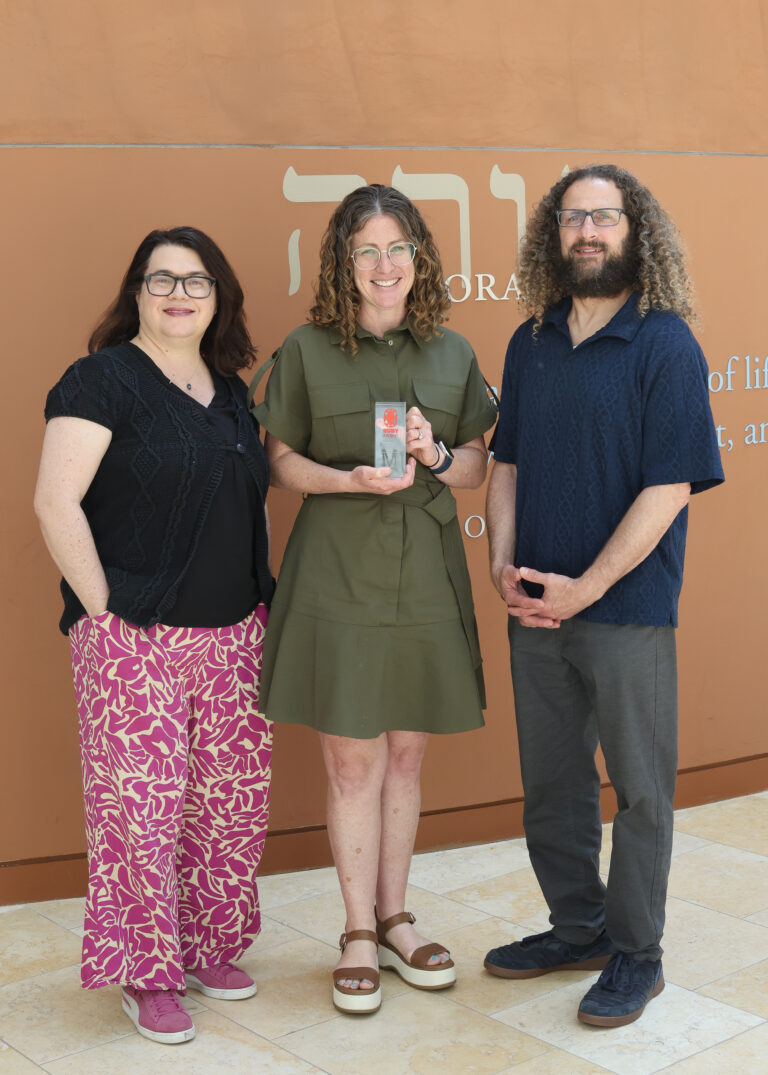
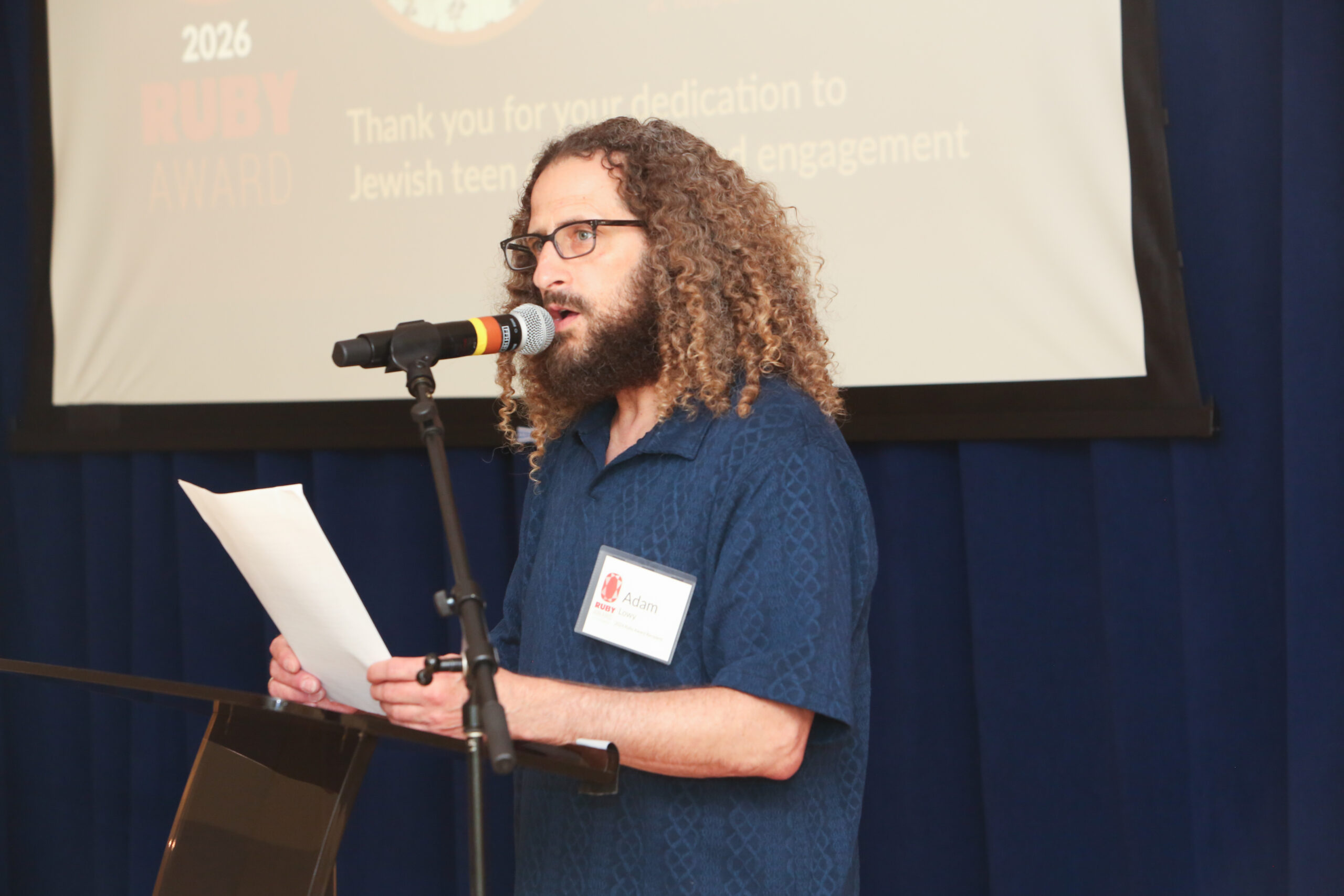
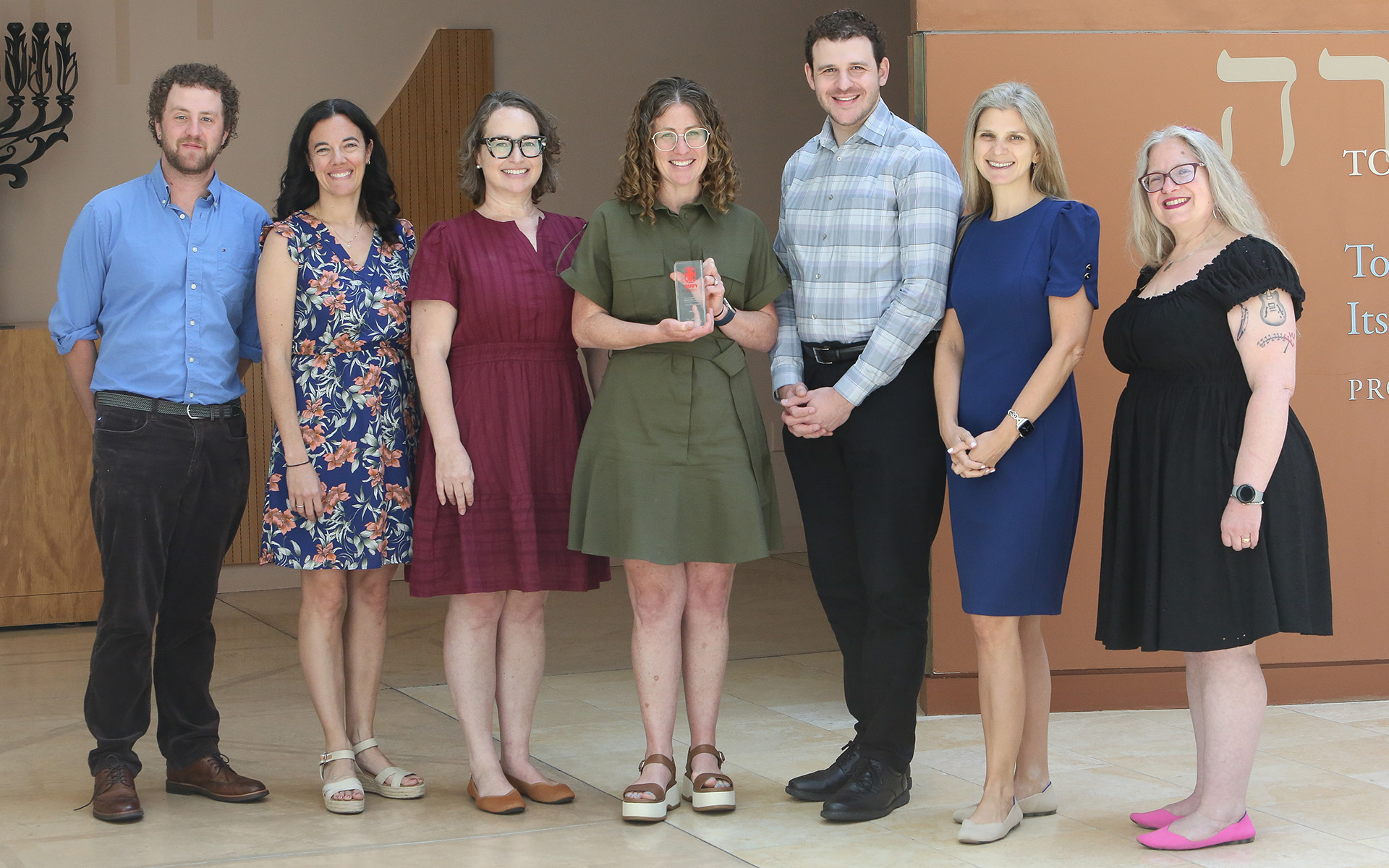
Left to right: Ruby Award recipients, Devra Aarons (2021), Rabbi Alissa Miller (2026) and Adam Lowy (2024).