
By Kelly Dotson, Senior Site Director, JCCSF Rosenberg Early Childhood Education Center
This year, Rosenberg was fortunate to receive a microgrant from Jewish LearningWorks for the 2025–26 school year. When I applied, I had a simple but hopeful vision: to give our teachers the time, guidance, and tools to deepen reflective teaching practices, strengthen Lead Teacher skills, and refresh the sensory materials our classrooms rely on. I knew this funding could help move forward important work that often gets pushed aside in the busy pace of early childhood education.
Starting the Year with Intention
Each year, the JCCSF Early Childhood Education program selects a theme to anchor our professional learning. This year’s intention is project-based work and how it connects to our Jewish values. I believed that strengthening reflective teaching strategies would help educators dig deeper into their practice—slowing down, noticing more, and planning with intention. At the same time, I hoped individualized coaching would help our Lead Teachers grow in confidence and leadership, especially since most are still early in their careers.
We began the year partnering with Sheila Norman, a trusted consultant from Jewish Family & Children’s Services who has supported Rosenberg for several years. In August, Sheila led a reflective teaching workshop during prep week, setting a thoughtful tone for the year ahead.
That same month, Darcy Campbell joined us as the keynote speaker for our all-site ECE Professional Development Day. Our initial plan was for Darcy to continue coaching Lead Teachers throughout the fall. However, after the first sessions, it became clear that teachers were connecting most strongly with Sheila’s approach. In response, we pivoted. Sheila stepped into a coaching role, meeting bi-monthly with Lead Teachers to focus on foundational leadership skills such as communication, modeling best practices, supporting co-teachers, and cultivating positive team culture.
Realizing What Teachers Needed Most
As the school year progressed, Sheila returned to Rosenberg to continue reflective practice work using real teacher documentation. While these sessions were valuable, an important insight emerged: teachers needed stronger observational skills before they could meaningfully engage in reflection.
So, we shifted again. In October, we invited Danielle Loughridge—a former Rosenberg Assistant Director and experienced educator—to lead a workshop on The Power of Observation. Her session was grounding and energizing, helping teachers see how intentional observation informs everything from project work to classroom setup and interactions with children.
Alongside this work, our Site Assistant Director, Mo Graham, led weekly staff meetings focused on inquiry and project work. These gatherings helped teachers practice connecting what they observed to thoughtful curriculum choices.
Responding to Big Behaviors and Emerging Needs
Midwinter brought another shift. We began noticing more children struggling with big feelings and behaviors, and teachers understandably focused much of their energy on maintaining calm and safety. It became clear that we needed to support teachers in meeting children’s sensory needs before expecting deeper project work to continue.
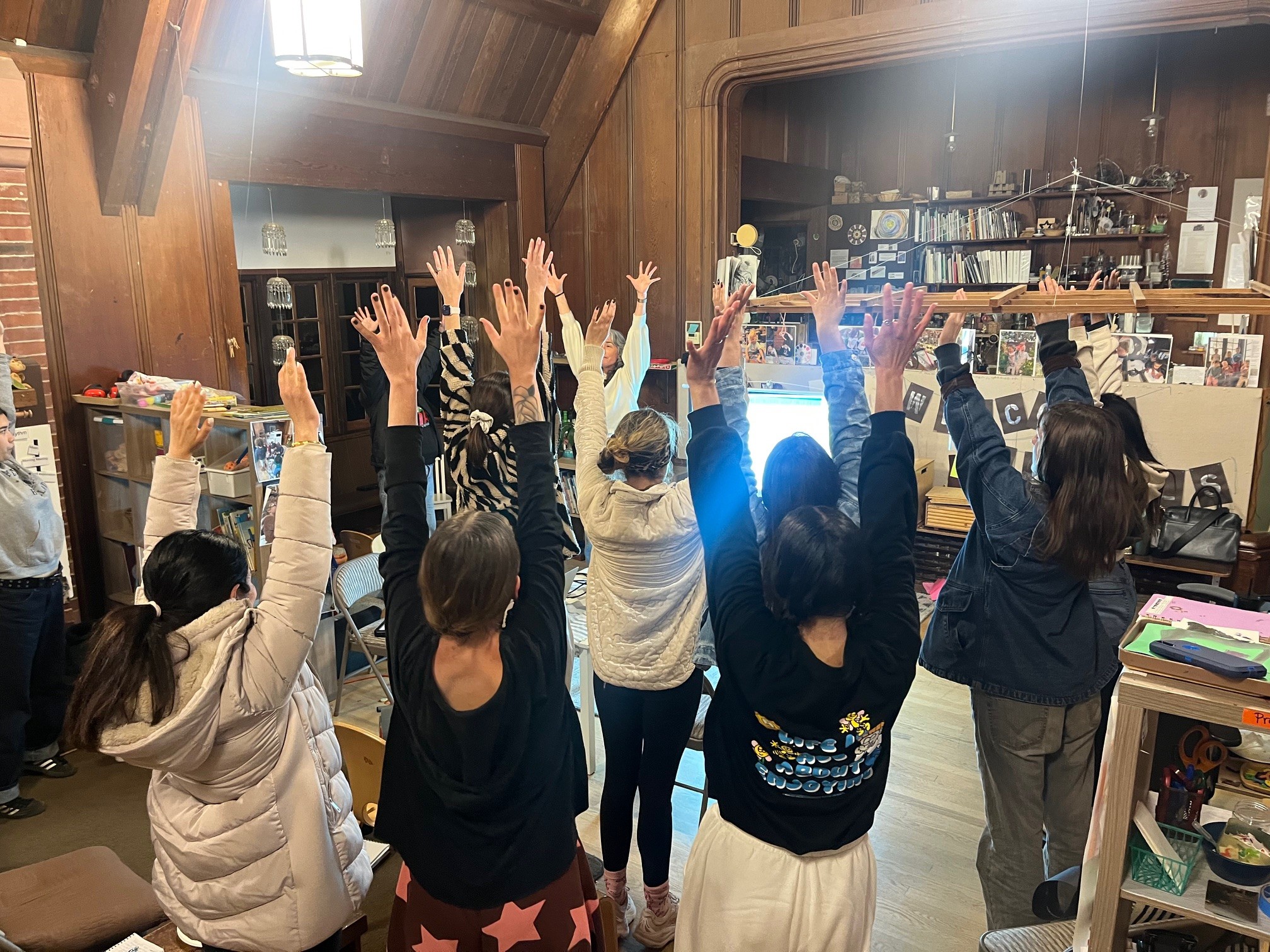
Instead of moving forward with regular coaching sessions, we paused that track and hired Occupational Therapist Allison Attwood. Allison began observing classrooms in December and meeting with teaching teams to share insights. In January, she led a workshop on Sensory Integration, focusing on what sensory needs look like in real classroom moments and how teachers can support children experiencing sensory overload.
This workshop was a turning point. Teachers began viewing behaviors through a new lens, and we observed immediate changes in classroom climate. Teachers felt more confident and empowered, and classrooms felt calmer and more connected.
Based on Allison’s recommendations, we purchased new sensory tools—body wraps, stretch bands, and modeling clay. Almost immediately, children began using these materials to self-regulate more independently, and the overall atmosphere in classrooms improved.
We are excited to welcome Allison back in April for a session focused on in-the-moment strategies for supporting dysregulated children. Our goal is for every teacher to feel capable of supporting every child at Rosenberg.
Continually Evolving Leadership Coaching
Throughout the year, we continued refining our Lead Teacher coaching. Sheila shared that the group needed more support around leadership identity, communication, and articulating their “why.” As a result, the final coaching sessions were restructured to focus on collaboration, team relationships, and leading with intention—not just managing classrooms. These conversations have helped our Lead Teachers grow not only as educators but as leaders within their teams.
Looking Back with Gratitude
Writing all this down, I’m struck by how much learning, growth, and adaptability this microgrant made possible. By combining observations from Sheila, Danielle, Allison, and Darcy with our own, we’ve seen meaningful progress:
- Teachers observing more deeply and planning more intentionally
- Calmer, more connected classroom environments
- Lead Teachers growing in confidence and clarity
- Children benefiting from thoughtful sensory support
- Project work emerging more naturally from children’s ideas
I look forward to hearing directly from teachers in our end-of-year survey, but I already know this microgrant supported far more than we originally imagined. It allowed us to respond to real needs in real time and strengthened our program in ways that will continue to guide us well beyond this year.