
Enhancing Well Being: Exploring Sensory Tools and Calming Strategies
Participants will learn to recognize signs of sensory overload and stress, and understand how to implement appropriate strategies to mitigate these effects.
Participants will learn to recognize signs of sensory overload and stress, and understand how to implement appropriate strategies to mitigate these effects.
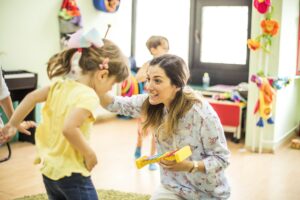
We will define challenging behavior and its impact as well as understand why children engage in challenging behavior. Participants will learn to identify strategies that will decrease challenging behavior and improve the experience for all children in the preschool classroom.
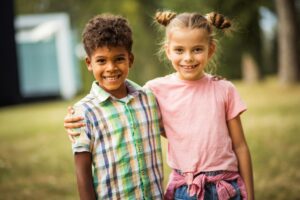
In today’s society, children receive daily messages about skin color, race, ethnicity, culture, religion, ability, gender and many other categories of social identities.
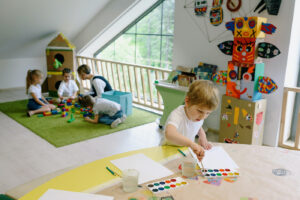
An interactive session for boards or other congregational lay leadership

How to think about difficult conversations with families regarding classroom support or behavior.

You will come away from this training understanding why and how children act the way they act, with concrete tools to provide support for all types of behaviors.
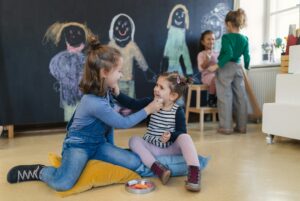
What does it mean to be an inclusive community? At the end of this session, you will have a deeper understanding of what it means to be an inclusive community and you will walk away with tools to increase inclusion at your site.

This training presents an overview of the types of challenging behaviors that we see in educational settings—how they show up, what underlying challenge(s) they are communicating, and how to respond effectively.
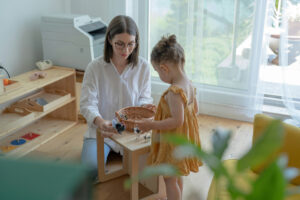
This training provides an overview of up to three diagnoses that you may be seeing in your educational environments — what the diagnosis means, how it might manifest in your program, and how to accommodate it.
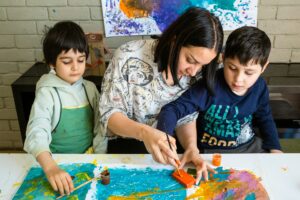
A more advanced version of Special Needs 101: A deeper dive into one or more diagnoses which is suitable for educators who have some background knowledge already.